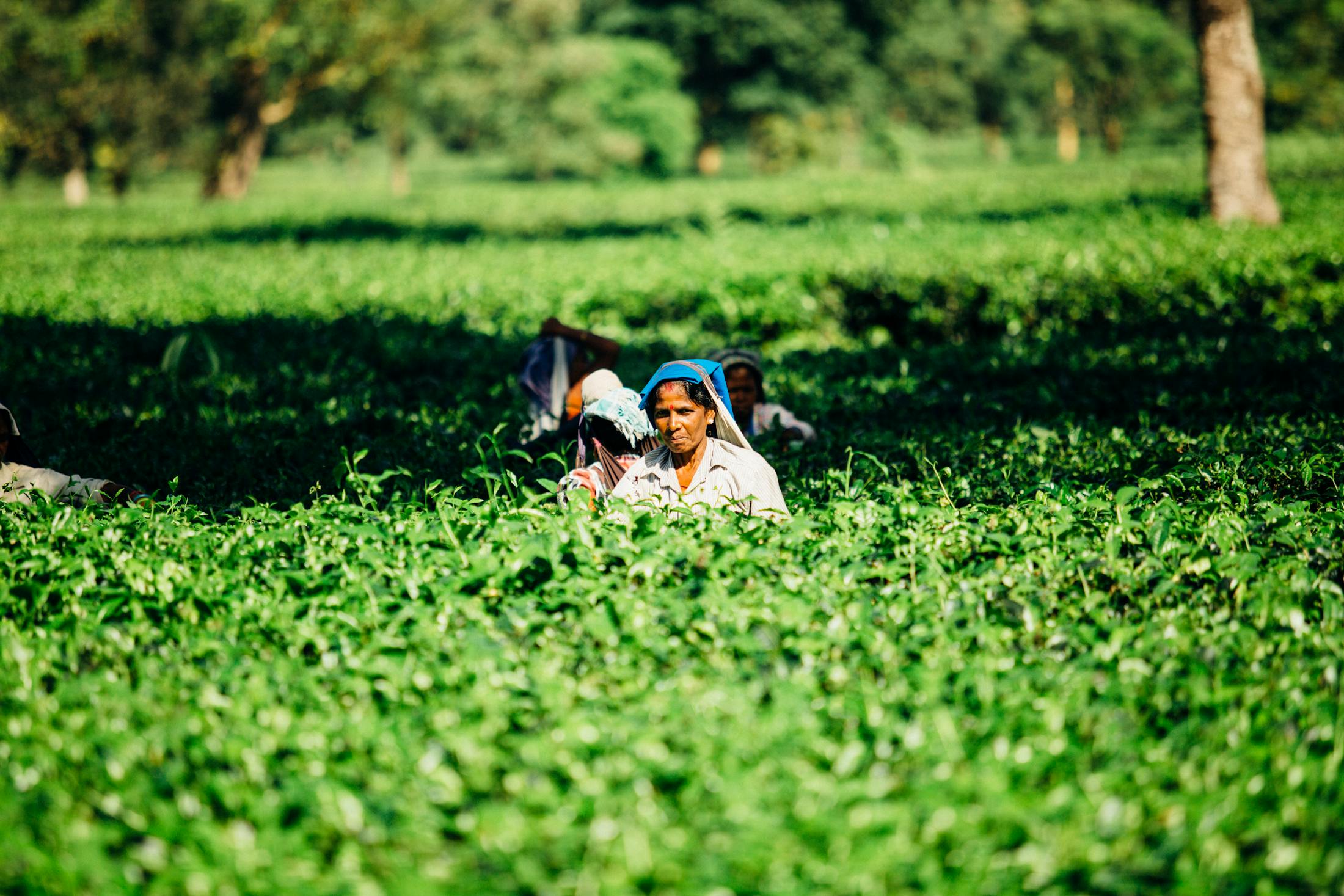
The IAFN Navigator is a quarterly preparedness brief designed to support informed engagement across FAO, the Committee on World Food Security (CFS), and related global agrifood governance processes.
IAFN Navigator January – April 2026
Quarter-At-A-Glance
The IAFN Navigator is a quarterly preparedness brief designed to support informed engagement across FAO, the Committee on World Food Security (CFS), and related global agrifood governance processes. The Navigator highlights where policy discussions, implementation priorities, and partnership approaches are evolving across thematic areas, including climate, innovation, trade, nutrition, and inclusion. By bringing together relevant institutional updates, calendars, and publicly available developments, the Navigator aims to provide a structured overview of ongoing processes and upcoming milestones.
The Navigator supports coordination and constructive participation by helping members remain aware of emerging themes, sequencing of discussions, and areas where implementation considerations are gaining prominence within multilateral fora.
Q1: ARCHITECTURE IS TIGHTENING
Q1 2026 represents a calibration phase rather than a decision-heavy cycle. Operational positioning is underway across performance systems, financing logic, trade framing, and governance leadership. The dominant shift is less about new commitments and more about how existing objectives are embedded within implementation, financing, and reporting systems.
The placement of language within draft texts and technical guidance — particularly within implementation, verification, and financing sections — may influence how delivery frameworks are interpreted and operationalized later in 2026. While immediate regulatory shifts are not anticipated, the sequencing and embedding of objectives during this period may shape the trajectory of subsequent endorsement and implementation cycles.
SYSTEM SIGNALS IN Q1: THREE STRUCTURAL SHIFTS
1.From Ambition to Instrumentation. Across thematic tracks, the emphasis is moving from aspirational framing to implementation instrumentation:
Climate ambition is increasingly linked to MRV feasibility and financing alignment
Innovation is being embedded within interoperability standards and delivery architecture.
Nutrition is transitioning toward standardized diet-quality measurement tools.
Inclusion analytics are incorporating wage decomposition methodologies.
Where operational embedding advances, performance measurement may become more structured across reporting frameworks, financing eligibility criteria, and programme design. Where fragmentation persists, implementation expectations are likely to remain differentiated across regions and institutional platforms.
2.Financing Logic Is Intersecting with Policy Objectives. Across climate, innovation, and value chain discussions, references to the relationship between policy ambition and investment feasibility are becoming more explicit. Concepts such as bankability, scalability, blended finance, and impact measurement are appearing more frequently in governance exchanges, including within platforms such as the FAO African SIDS Solutions and Investment Forum, where implementation pathways and resource mobilization are central.
This reflects growing attention to how policy priorities translate into operational and financial pathways. Where discussions begin linking performance benchmarks to implementation modalities, this may indicate closer alignment between thematic objectives and delivery architecture.
Over time, such alignment could influence documentation practices, verification approaches, and project structuring assumptions, particularly where measurable outcomes and investment mobilization are emphasized within agrifood transformation frameworks.
3.Digital Interoperability as Compliance Backbone. Digital interoperability is increasingly emerging as a governance architecture theme rather than solely a technical upgrade. Developments under the International Plant Protection Convention (particularly at the 20th Session of the Commission on Phytosanitary Measures) demonstrate how electronic certification systems are evolving toward structured interoperability frameworks across jurisdictions.
Parallel discussions within FAO and CFS are reinforcing this trajectory. The upcoming CFS High-Level Forum on “Harnessing Artificial Intelligence, Digitalization and Data Governance” highlights growing attention to data stewardship, interoperability principles, and governance safeguards. At the same time, modernization of FAOSTAT, expansion of digital agriculture platforms and integration of dietary diversity indicators within resilience analytics reflect increasing expectations around harmonized data architecture.
The determining factor is convergence versus fragmentation. Consolidation around shared protocols could enhance predictability and reduced layered documentation requirements across borders. Continued divergence may sustain differentiated digital standards and jurisdiction-specific compliance environments, particularly in trade-facing and reporting-intensive sectors.
Governance & Leadership: Structural Levers in Q1.
Recent leadership developments reinforce emphasis on feasibility, scale, and evidence-based implementation.
Programme & Investment Oversight. The appointment of Alex Jones (Assistant Director-General, Programme Support and Resources), and Mohamed Manssouri (Assistant Director-General and Director of the FAO Investment Centre) strengthens institutional focus on programme delivery and investment structuring. Governance discussions increasingly reference cost realism, scalability, and mobilisation pathways.
Integrated environmental portfolios. With Kaveh Zahedi (Assistant Director-General and Director of the Office of Climate, Biodiversity and Environment), together with Zhimin Wu (Assistant Director-General and Director of FAO’s Forestry Division), environmental agendas are treated more explicitly as an integrated operational space, with stronger attention to sequencing and trade-offs across land-use and livestock processes.
Partnerships as delivery instruments. Lauren Phillips (Partnerships and UN Collaboration) oversees partnership architecture at a time when operational reach and risk-sharing capacity are central to delivery models, aligning partnerships more closely with scale and implementation capacity.
Science–policy interface and evidence quality. Under Chief Scientist Charles Spillane, alongside CFS Chair Anas A. Al-Nabulsi and HLPE-FSN leadership (Sayed Azam-Ali and Madhura Swaminathan), emphasis on analytical rigor and metrics coherence is likely to influence negotiation structuring as processes mature. The appointment of Junxia Song, as Chief, One Health and Disease Control (NSAH-CJW) further reinforces coordination across implementation systems.
Other recent appointments include: Rodney Hunter, Special Adviser to the Director-General.
Diplomatic landscape in Rome. Recent changes among Permanent Representatives to the Rome-based UN agencies point to an active and engaged diplomatic environment ahead of key CFS milestones and FAO Regional Conferences. Recent appointments include Lynda Blanchard, as US Permanent Representative, Laura Elena Carrillo Cubillas as Permanent Representative of Mexico, Elske Smith, as the Permanent Representative of the Kingdom of the Netherlands, Elizabeth McCullough, serving as Ambassador of Ireland to Italy, San Marino, and the Rome-based UN Agencies, Ali Kianirad as Ambassador and Permanent Representative of the Islamic Republic of Iran to FAO, WFP, and IFAD, and Ambassador Karin Hoglund, Permanent Representative of Sweden to FAO, WFP and IFAD.
Governance Nodes to Watch in Q1
While major negotiated outcomes are not anticipated this quarter, several institutional platforms serve as architecture-shaping nodes:
COAG and the Livestock Global Plan of Action. Placement of sustainability, productivity, and feasibility language within operational guidance.
CPM-20 (IPPC)
Consolidation of digital certification and interoperability standards influencing trade-facing compliance systems.
WTO Ministerial Preparations. Positioning around safeguards, transparency, and food security–trade intersections.
UNFCCC Preparatory Platforms (SB sessions, Climate Weeks). Early alignment signals ahead of COP31 regarding agrifood systems, MRV frameworks, and climate-linked financing.
Developments across these nodes may influence how implementation priorities are sequenced and interpreted later in 2026.
Strategic Signal in Focus: EU–Mercosur Agreement
The January 2026 signature of the EU–Mercosur Agreement reintroduces sustainability alignment and competitiveness considerations into agrifood governance discourse. While ratification processes continue, references to environmental compliance, traceability, and market access are likely to surface across FAO and CFS exchanges.
Its relevance lies in narrative positioning rather than immediate regulatory effect. Observing how sustainability criteria are framed relative to competitiveness and affordability considerations may provide early indications of how trade architecture interacts with environmental performance discussions in 2026.
CALENDAR OF EVENTS
The calendar highlights institutional milestones where the architectural shifts identified above may become visible in draft texts, guidance, or outcome language.
March
2–6 March39th Session of the FAO Regional Conference for Latin America and the Caribbean, 2–6 March, Brasília
TBDCOAG Sub-Committee on Livestock June (tbd), Rome
8-12 June180th Session of the Council, 8-12 June, Rome
8-18 June64TH Session of the Subsidiary Body for Scientific and Technological Advice and the Subsidiary Body for Implementation (SB64) of the UNFCCC, 8-18 June, Bonn
Across climate, innovation, trade, nutrition, and inclusion, a common pattern is emerging in Q1 2026: governance architecture is tightening around measurable delivery, financing feasibility, and interoperability. Themes that previously evolved in parallel are increasingly intersecting through performance metrics, reporting expectations, digital standards, and investment alignment. The determining factor across tracks is not expansion of ambition, but the degree of operational embedding within implementation and reporting systems. Convergence around shared benchmarks, data frameworks, and financing criteria would reinforce integrated compliance architecture; continued fragmentation would sustain differentiated expectations across platforms. The implications are systemic rather than thematic, shaping how delivery, competitiveness, and resilience are interpreted across agrifood governance processes.
The reflections below are intended to support internal alignment and informed engagement as governance architecture evolves across FAO and related multilateral processes. At the organizational level, they may assist in coordinating sustainability, policy, finance, trade, and technical functions ahead of participation in FAO, CFS, WTO, UNFCCC, IPPC, and related platforms, strengthening clarity in consultation processes and articulation of implementation experience.
At a collective level, these reflections provide a structured basis for dialogue among private-sector members, fostering shared awareness of areas where institutional architecture is consolidating and where operational insight may contribute constructively to discussions.
They may be used as preparatory prompts ahead of governance sessions, as cross-functional alignment tools within organizations, or as discussion anchors within member exchanges to anticipate evolving institutional expectations.
Preparedness Prompts
Performance & Measurement Alignment. As performance metrics become embedded across climate, nutrition, and inclusion tracks, are we positioned to present implementation experience in ways that align with increasingly measurement-driven governance frameworks?
Financing & Delivery Coherence. Where policy ambition is discussed alongside financing feasibility and scalability, can we clearly articulate how operational delivery pathways intersect with investment and performance expectations?
Digital Interoperability & Compliance Architecture. As interoperability expands across certification systems, AI governance discussions, and reporting platforms, do we understand how evolving data standards may shape participation and compliance environments?
Systemic Narrative Coherence. Where sustainability objectives intersect with competitiveness, affordability, and inclusion considerations, are we articulating a coherent perspective that reflects the interconnected nature of agrifood transformation?
IAFN Navigator January – April 2026
Climate Action
OVERVIEW
Q1 2026 reflects a consolidation phase across FAO’s climate-related governance processes. While no major negotiated outcomes are scheduled, several technical and ministerial platforms provide early indications of how climate ambition is being embedded within programme delivery frameworks, sectoral strategies, and financing discussions. Climate is increasingly functioning not as a standalone objective, but as a design parameter within sectoral, financing, and measurement systems.
This period is less about articulating new commitments and more about how existing objectives are positioned within draft texts, implementation guidance, and resource mobilization platforms. The determining factor is not whether climate ambition is referenced, but how it is sequenced and operationalized within institutional architecture.
TAKEAWAYS
Q1 reflects a transition from thematic climate ambition toward delivery-anchored implementation architecture.
Climate is increasingly embedded as a design parameter within sectoral, financing, and measurement systems.
Integration of sustainability with productivity and biosecurity in livestock governance may signal deeper operational consolidation.
References to bankability and verification suggest growing alignment between climate objectives and financing feasibility.
Regional ministerial outcomes may indicate how climate transitions are framed within macroeconomic constraints.
MRV discussions are advancing toward instrumentation maturity ahead of COP31 and the 2026 UN Water Conference.
LIVESTOCK AND SECTORAL IMPLEMENTATION
The Third Session of the FAO Sub-Committee on Livestock, is expected to advance deliberations on the proposed Global Plan of Action for Sustainable Livestock Transformation. Given livestock’s centrality to emissions profiles, rural livelihoods, and food security resilience, the framing adopted in these discussions will provide an important indication of how mitigation, productivity, and risk-management considerations are integrated within operational guidance. fao.org/coag-livestock
Particular attention may be directed to whether sustainability objectives are embedded alongside animal health, biosecurity preparedness, and economic viability considerations in an integrated manner. Placement of these concepts within core implementation sections (rather than narrative framing) will signal the depth of operational integration and the extent to which feasibility considerations are structurally embedded.
CLIMATE SIGNALS
Several external funding platforms in early provide additional visibility into how climate-related priorities are being translated into research, innovation, and financing agendas. Some examples:
The European Institute for Technology - EIT Food Calls for Proposals 2026 indicate prioritization around regenerative agriculture, protein diversification, and agrifood biotechnology, reflecting alignment between climate objectives and innovation-driven transformation. eitfood.eu/files
The 2026 FONTAGRO Call for Proposals “Cooperation and Innovation to promote more productive, profitable and competitive agri-food systems with a lower environmental footprint in Latin America and the Caribbean” signals continued regional emphasis on productivity gains coupled with environmental performance in Latin America and the Caribbean. fontagro.org/en
The Foundation for Food & Agriculture Research’s Efficient Fertilizer Consortium 2026 Request for Applications highlights focus on nutrient-use efficiency, emissions reduction, and technology adoption pathways within input systems. foundationfar.org/grants-funding
FINANCING AND DELIVERY PATHWAYS
Climate discussions are increasingly intersecting with investment and delivery platforms. The FAO African SIDS Solutions and Investment Forum and Investment Forum illustrates growing linkage between climate ambition and investment structuring. fao.org/africa
Where climate objectives are explicitly connected to bankability criteria, scalability thresholds, or measurable performance standards, this may indicate movement from policy framing toward financing-aligned implementation pathways. Such linkage reflects increasing alignment between thematic ambition and delivery architecture.
The convergence of productivity, emissions reduction, and measurable environmental outcomes reinforces the broader shift toward climate-linked financing architecture observed across governance processes.
FAO REGIONAL CONFERENCES
The FAO Regional Conferences will take place in March and April, beginning with the 39th Regional Conference for Latin America and the Caribbean. They provide ministerial-level insights into how climate transitions are situated within broeader economic contexts. The regional SDG forums (ESCWA, ECLAC, ECA, ESCAP), acting as preparatory platforms ahead of the High-Level Political Forum (HLPF), similarly integrated climate within development and financing narratives. fao.org/events
References to affordability, fiscal space, competitiveness, trade exposure, and investment mobilization may indicate how climate transitions are being contextualized within prevailing macroeconomic realities. Their integration within ministerial outcomes may signal increasing alignment between environmental ambition and economic feasibility.
MEASUREMENT AND REPORTING ARCHITECTURE
Measurement and verification systems continue to feature in technical discussions. External regulatory developments, including the operationalization of carbon removal and carbon farming certification frameworks in the European Union, contribute to international dialogue on MRV feasibility and harmonized reporting standards. Within FAO and CFS processes, increased references to baselines, reporting capacity, interoperable data systems, and verification mechanisms suggest gradual movement from target articulation toward implementation of instrumentation.
The determining factor is whether data harmonization and reporting feasibility advance toward operational embedding.
LOOKING AHEAD: COP31 AND THE 2026 UN WATER CONFERENCE
The implementation-focused dynamics observed in Q1 (particularly the integration of productivity, resilience, risk management, and financing considerations) form part of a broader alignment phase leading toward COP31 and the 2026 UN Water Conference. While formal negotiations for these events occur later in the year, conceptual framing and partnership architectures are consolidating during the first half of 2026.
Where agrifood systems are framed within FAO processes alongside implementation feasibility, measurable indicators, and investment pathways, similar integration may emerge across UNFCCC preparatory platforms, including the Subsidiary Bodies session, London Climate Action Week, and Climate Week NYC. Developments observed in Q1 may therefore provide early signals of how agrifood systems are positioned within wider climate negotiations.
A comparable dynamic is visible in preparations for the 2026 UN Water Conference. Signals emerging within FAO discussions — including references to scalability, institutional capacity, and risk management — may provide insight into how water–food–climate linkages are framed within Conference outcomes.
For members engaged in FAO processes, the relevance lies in continuity rather than separation. The sequencing and operational embedding of objectives during Q1 may inform how agrifood systems are represented across global climate and water dialogues as discussions advance toward formalization.
IMPLICATIONS AND OUTLOOK
Taken together, Q1 developments indicate movement from thematic ambition toward delivery-anchored climate architecture. Changes in how objectives are sequenced within FAO processes may influence reporting expectations, investment criteria, and partnership modalities over time.
Attention may be directed not only to the presence of climate-related language across governance platforms, but to its placement within operational sections. The sequencing of mitigation, resilience, competitiveness, and financing concepts may provide early insight into evolving implementation architecture.
As processes advance toward COP31 and related milestones, the framing consolidated during this phase is likely to shape interpretation and delivery expectations across agrifood systems.
IAFN Navigator January – April 2026
Innovation Solutions
OVERVIEW
Q1 2026 reflects a consolidation phase in the operationalization of innovation across FAO governance tracks. In line with the FAO Strategic Framework 2022–31 and the FAO Science and Innovation Strategy, innovation is formally established as a cross-cutting accelerator. The recently adopted Action Plan 2026–2029 for the Implementation of the FAO Science and Innovation Strategy further embeds innovation across defined pillars, outcomes, and enablers aligned with FAO’s Medium-Term Plan. openknowledge.fao.org/items
This marks movement from strategic framing toward structured programme delivery, regulatory integration, and financing-aligned implementation pathways. Innovation is increasingly functioning not only as a thematic priority, but as an enabling architecture within sectoral, compliance, and investment systems.
What remains fluid in Q1 is the depth of embedding within compliance frameworks, reporting systems, financing architecture, and operational delivery mechanisms. The key variable is not whether innovation is referenced, but where and how it is positioned within governance texts. Placement within implementation and financing sections (rather than preambular narrative) will indicate the extent of institutional consolidation.
TAKEAWAYS
Innovation is transitioning from strategic narrative to delivery-anchored institutional architecture.
The Action Plan 2026–2029 provides structural scaffolding for embedding innovation across programme, compliance and financing systems.
The Science and Innovation Forum may signal whether AI and digitalization are framed as enabling tools or governance components.
CPM discussions on ePhyto indicate movement toward interoperability-based compliance architecture.
AI governance debates at CFS will test convergence around data stewardship, safeguards, and accountability principles.
Financing platforms increasingly reference bankability, scalability and measurable performance in innovation contexts.
SCIENCE AND INNOVATION FORUM (SIF)
In the lead-up to the Science and Innovation Forum, thematic alignment is consolidating around AI deployment, digital advisory systems, traceability architecture, and data interoperability. The determining factor is whether these elements are framed primarily as tools or as structural components of delivery architecture. References emerging during Q1–Q2 will provide early indication of whether innovation framing crystallizes around governance architecture (including standards, safeguards, and integration with financing systems) or remains exploratory.
TRADE COMPLIANCE ARCHITECTURE
Within the Commission on Phytosanitary Measures (CPM), continued expansion of the ePhyto Solution demonstrates practical embedding of digitalization within trade compliance systems.
The inflection point lies in whether CPM discussions extend toward broader interoperability standards, harmonized data protocols, and structured digital certification pathways. Consolidation at this level would signal progression from system expansion toward governance architecture, with implications for cross-border reporting, documentation coherence and supply-chain transparency.
The upcoming CPM-20 Session may provide forward-looking indications of whether digital phytosanitary systems are moving toward standardized implementation models under the IPPC framework. ippc.int/en
INNOVATION SIGNALS
Several current platforms provide additional visibility into how innovation priorities are being translated into recognition mechanisms, technical standard-setting, and capacity-building initiatives:
The 2026 Global Call for Recipes from SIDS reflects attention to culinary heritage and food system identity within SIDS contexts.fao.org/sids-solutions
The FAO Award for Innovation signals institutional recognition of innovation across public and non-state actors.fao.org/fao-awards
The IPPC Call for Experts – Technical Panel on Phytosanitary Treatments illustrates ongoing strengthening of science-based phytosanitary frameworks. (Deadline: 24 March 2026) ippc.int/en
The Food Safety Event on Innovative Fermentation for Food Security and Sustainability (19 February) indicates continued exploration of emerging production technologies within FAO’s mandate. fao.org/food-safety
The OpEd by Beth Bechdol on Mechanizing Africa’s farms won’t work unless we do it differently, reflects senior-level engagement with contextual adaptation and productivity transformation. fao.org/africa
AI, DIGITALIZATION AND DATA GOVERNANCE TRAJECTORY
Across FAO’s Digital Agriculture portfolio, AI applications in early warning, pest surveillance, advisory services, and supply-chain transparency continue to expand. The determining factor is whether AI governance converges around interoperability and accountability principles.
The upcoming CFS High-Level Forum (HLF) on “Harnessing Artificial Intelligence, Digitalization and Data Governance for Food Security and Nutrition” provides an additional signal. As an intersessional process under the CFS Multi-Year Programme of Work, the Forum will examine both opportunities and risks associated with AI deployment. openknowledge.fao.org/server
Where discussions consolidate around principles of data stewardship, safeguards, interoperability, and accountability this may influence normative framing of AI governance in agrifood systems ahead of CFS 54.
These initiatives illustrate how innovation is being operationalized not only through strategic frameworks, but through technical panels, recognition systems, expert dialogue and public discourse. Their convergence reinforces gradual institutionalization of innovation across standards, policy guidance and implementation arenas.
HAND-IN-HAND INITIATIVE
The Hand-in-Hand Initiative continues to operationalize geospatial investment targeting. Increased linkage between digital infrastructure, partnership mobilization, and financing alignment would indicate consolidation of data-enabled delivery models.
These developments intersect with modernization of FAOSTAT and strengthening of GIEWS, reinforcing expectations around interoperable data systems, structured reporting, and measurable deployment.
FINANCING CONDITIONALITY
Investment-oriented platforms, including the African SIDS Solutions and Investment Forum, increasingly reference blended finance instruments, de-risking tools, and measurable performance criteria. The inflection point is whether innovation becomes explicitly tied to bankability benchmarks, scalability thresholds, or impact verification standards. Such linkage would signal movement from enabling narrative to financing-conditioned implementation architecture.
IMPLICATIONS AND OUTLOOK
Q1 developments indicate that innovation is increasingly embedded within institutional systems rather than positioned solely as a thematic accelerator. As governance processes advance, the sequencing and placement of innovation within compliance, reporting, and financing frameworks may shape expectations around interoperability, documentation standards, and performance measurement.
Attention may be directed to where innovation appears within governance texts, whether within strategic narrative sections or operational and financing architecture. Consolidation around standardized interoperability principles, data stewardship frameworks, and financing-linked performance criteria would signal maturation of innovation governance across FAO processes.
As discussions progress through the Science and Innovation Forum and related technical bodies, the architecture consolidated during this phase is likely to shape interpretation, implementation expectations, and partnership modalities across agrifood systems.
IAFN Navigator January – April 2026
Trade And Markets
OVERVIEW
Q1 2026 reflects an active phase across FAO technical and intergovernmental processes with direct and indirect implications for agrifood trade governance. Trade considerations are increasingly surfacing across sustainability, resilience, livestock transformation, and digitalization tracks rather than appearing as standalone agenda items.
Trade is functioning less as a discrete negotiation theme and more as an embedded parameter within sustainability criteria, digital compliance systems, and resilience-oriented implementation frameworks.
The distinction this quarter is not whether trade is acknowledged in food systems debates, but whether it is embedded within technical outputs, operational guidance, digital certification architecture, and standards-setting processes.
TAKEAWAYS
Trade governance is increasingly embedded within sustainability, resilience, and digitalization architecture.
WTO consultations on safeguards and transparency may shape volatility and resilience framing within FAO processes.
Digital phytosanitary certification is approaching a transition from rollout toward interoperability-based governance architecture.
Standards convergence versus regulatory fragmentation remains the central variable shaping market access predictability.
Integration of sustainability metrics into technical guidance may influence competitiveness and participation conditions over time.
WTO DYNAMICS AND MC PREPARATION
Preparations toward the next WTO Ministerial Conference continue to shape the broader trade environment, including consultations on food security safeguards, export restrictions, and transparency commitments. wto.org/english
The determining factor remains convergence versus fragmentation. Alignment around safeguard disciplines and transparency mechanisms could reinforce coherence in FAO outputs related to volatility management and market stability. Continued fragmentation may sustain differentiated national approaches and cautious drafting across intergovernmental processes.
The more immediate signal lies in how related language begins appearing within FAO technical guidance, resilience frameworks, and volatility discussions, rather than in formal WTO outcomes alone.
TRADE ARCHITECTURE SIGNALS
Beyond formal negotiation tracks, several institutional monitoring and coordination mechanisms provide visibility into the evolution of agrifood trade governance architecture in 2026.
AMIS (Agricultural Market Information System) continues to serve as a transparency and coordination platform addressing food price volatility and market stability. Its reporting and dialogue processes contribute to the framing of resilience and safeguard discussions across FAO and WTO-linked processes.
WTO transparency notifications related to export restrictions and safeguard measures remain an indicator of convergence or divergence in trade-related food security approaches. The degree of notification discipline and alignment may influence predictability in cross-border supply conditions.
Standards agenda development under Codex and related FAO-hosted bodies continues to shape the regulatory architecture underpinning market access, particularly in relation to sustainability metrics and emerging technologies.
These platforms illustrate how trade governance architecture evolves through monitoring, transparency, and technical alignment mechanisms rather than solely through ministerial negotiation outcomes.
TRADE–CLIMATE–FOOD SECURITY INTERSECTIONS
Q1 coincides with an active drafting phase across FAO governance tracks in which sustainability, resilience, and food security objectives are translated into operational guidance. Preparations for COAG, consolidation of language within the Global Plan of Action for Sustainable Livestock Transformation, and ongoing CFS discussions on volatility and risk management collectively shape the environment in which trade considerations are indirectly embedded.
Trade does not appear as a standalone agenda item in these processes. However, it intersects directly with competitiveness, value chain integration, sustainable scaling, and resilience considerations.
In the livestock transformation process, references to productivity and competitiveness may influence how cross-border participation is framed. Within COAG preparations, discussions on climate-resilient production systems and sustainable value chains may position market integration either as a resilience enabler or as a vulnerability channel. CFS deliberations on volatility and safeguards may further shape how trade-related risk management is reflected in technical outputs.
The determining factor in this quarter’s drafting phase is placement within implementation and reporting sections. As texts advance toward endorsement, placement of trade-related language within implementation sections (particularly those addressing value chains, sustainability criteria, and investment mobilization) will indicate whether trade becomes embedded within operational architecture or remains contextual. Where production standards are explicitly linked with competitiveness and scaling pathways, this may signal movement from thematic alignment toward implementation positioning.
DIGITAL TRADE ARCHITECTURE (CPM-20 & ePhyto). Digitalization of phytosanitary certification under the IPPC framework continues to expand, with the ePhyto Solution widely adopted. While recent emphasis has centered on rollout and uptake, 2026 may represent a phase of governance consolidation.
The 20th Session of the Commission on Phytosanitary Measures (CPM-20) will provide indications of whether electronic certification evolves from facilitation tool toward structured interoperability architecture. ippc.int/en
If alignment advances around harmonized digital protocols and shared documentation standards, electronic certification may increasingly function as foundational cross-border compliance infrastructure. Such consolidation would gradually influence documentation workflows, system integration decisions, and predictability in digital trade procedures.
Conversely, uneven adoption or divergent technical approaches may sustain fragmented implementation environments. The trajectory emerging from CPM-20 will therefore indicate whether digital phytosanitary systems evolve into a reference model for broader digital trade governance.
STANDARDS, REGULATORY CONVERGENCE & MARKET ACCESS
Beyond formal trade negotiations, standards development under FAO-hosted frameworks (including Codex Alimentarius and related technical bodies) continues to shape regulatory architecture underpinning market access.
Ongoing technical analysis of emerging food technologies, including cell-based and precision fermentation products, reflects uneven national regulatory development and partial coverage under existing standards. Divergence in classification, authorization, or labeling frameworks may not immediately alter trade disciplines, but may influence practical compliance environments.
Parallel work on sustainability metrics, regenerative agriculture measurement, and value chain transparency intersects with evolving ESG-linked performance expectations. Where such metrics become embedded within technical guidance or investment alignment frameworks, they may shape interactions between production standards and trade participation.
The variable remains convergence versus fragmentation. Consolidation around shared technical benchmarks supports predictability; continued divergence may result in layered regulatory expectations across jurisdictions.
TRADE SYSTEM SIGNALS AND INFORMATION PLATFORMS
Institutional platforms such as AMIS (Agricultural Market Information System) continue to support market transparency and dialogue around food price volatility. Initiatives such as the 2026 Global Call for Recipes from SIDS, while cultural in orientation, reflect broader attention to value addition, diversification, and identity-based market positioning within Small Island Developing States contexts.
These platforms illustrate that trade governance extends beyond formal negotiations to include transparency mechanisms, coordination forums, and market-structuring initiatives.
IMPLICATIONS AND OUTLOOK
Across 2026, agrifood trade governance is shaped less by a single negotiation track and more by the interaction of multiple institutional processes (including WTO consultations, COAG and livestock drafting, CPM deliberations on digital certification, and evolving standards under FAO-hosted frameworks).
The central theme remains coherence versus fragmentation. Convergence across safeguard disciplines, digital interoperability principles, and sustainability-linked standards would support integrated compliance frameworks. Continued divergence would sustain differentiated national implementation pathways and layered regulatory expectations.
As drafting advances across FAO processes, placement of trade-related language within implementation sections will be particularly relevant. Integration of sustainability metrics, competitiveness framing, and value chain positioning into operational guidance may influence how trade participation is interpreted in relation to production standards and resilience objectives.
These developments represent trajectory indicators rather than immediate regulatory shifts. Their evolution will provide early insight into whether agrifood trade architecture in 2026 consolidates around shared interoperability principles, or adapts through differentiated regulatory pathways across jurisdictions.
IAFN Navigator January – April 2026
Nutrition & Healthier Diets
OVERVIEW
Q1 2026 reflects consolidation rather than expansion in FAO’s nutrition agenda. Emphasis is shifting from advocacy for healthy diets toward embedding diet quality, affordability, and vulnerability metrics within governance and implementation systems.
Nutrition is increasingly functioning not as a standalone thematic pillar, but as a performance dimension integrated within resilience analytics, social protection frameworks, and agrifood transformation strategies.
Recent regional engagement in Europe and Central Asia illustrates this recalibration. Discussions center on affordability constraints, diet quality deterioration, widening inequalities, and the expansion of ultra-processed food environments rather than aggregate food availability. The right to adequate food is increasingly positioned as an operational governance instrument guiding UN Country Team programming and policy coherence, aligned with FAO’s Programme Priority Areas on Healthy Diets for All (BN1) and Nutrition for the Most Vulnerable (BN2).
The determining factor for 2026 is whether this framing consolidates into formal guidance, reporting expectations, and integrated monitoring tools influencing national programming cycles.
TAKEAWAYS
Nutrition governance is moving from advocacy toward measurable implementation architecture.
Diet quality and affordability metrics are gaining prominence relative to aggregate availability indicators.
Consolidation of FAO/WHO measurement tools may recalibrate accountability frameworks.
Affordability pressures highlight tensions between sustainability ambitions and consumer purchasing power.
DIET QUALITY MEASUREMENT AND DATA CONSOLIDATION
A parallel evolution is visible in FAO’s measurement architecture. The FAO/WHO Global Individual Food Consumption Data Tool (GIFT) continues to standardize individual-level dietary intake data and harmonized food group classifications. This reflects a methodological shift from aggregate availability metrics toward comparable diet-quality assessment across countries.
Regional “Healthy Diets from Sustainable Food Systems” dashboards, developed with WHO, UNICEF, and national authorities, are refining indicators on diet quality, affordability, food environments, and sustainability into structured decision-support tools.
Emphasis on harmonization, usability, and data gap identification suggests movement toward accountability-oriented monitoring systems. If consolidated across regions, these tools may recalibrate evaluation of nutrition progress, with affordability and diversity benchmarks gaining prominence alongside production indicators.
NUTRITION GOVERNANCE SIGNALS
Several ongoing initiatives provide visibility into how nutrition governance architecture is consolidating in 2026 through measurement alignment, technical consultation, and cultural positioning mechanisms.
The Global Call for Recipes from SIDS (Promoting the Culinary Heritage of Small Island Developing States While cultural in orientation, the initiative aligns with broader discussions on sustainable dietary patterns, and identity-based value chains. fao.org/sids-solutions
The WHO Call for Experts and Data on Microbiological Risk Assessment of Powdered Formulae for Infants and Young Children Such technical consultations contribute to evidence bases underpinning regulatory frameworks, and specialized nutrition markets. who.int/news-room
Continued rollout and harmonization of FAO/WHO dietary data tools and dashboards further indicate consolidation of standardized diet-quality metrics within accountability systems.
Nutrition governance in 2026 is evolving primarily through technical standard-setting, measurement harmonization and integration of indicators within programming frameworks, rather than through new normative commitments.
RESILIENCE, SHOCKS AND NUTRITION ADEQUACY
Integration of nutrition into resilience analytics represents a significant development. Extensions of the RIMA framework now incorporate Minimum Dietary Diversity indicators for women and children as outcome measures. This repositions resilience beyond coping capacity toward assessment of whether nutritionally vulnerable groups maintain diet quality during shocks.
This evolution unfolds against the macroeconomic context highlighted in the 2025 State of Food Security and Nutrition in the World, which underscores the impact of food price inflation on affordability of healthy diets. The emphasis is therefore not only on improving diets, but on sustaining adequacy under economic stress.
As resilience methodologies integrate diet diversity indicators more systematically, nutrition adequacy may increasingly function as a benchmark for evaluating shock response effectiveness and long-term stability.
DIETARY TRANSITIONS AND FOOD ENVIRONMENTS
Discussions across FAO platforms, including World Food Forum sessions and regional consultations, continue to explore sustainable dietary patterns, plant-based consumption, biodiversity for nutrition, and food environment transformation. While largely discursive, these dialogues increasingly intersect with standardized diet-quality metrics and rights-based governance framing.
Where sustainability narratives align with measurable diet-quality indicators, dietary transitions may become positioned less as aspirational guidance and more as performance dimensions within agrifood systems transformation strategies.
IMPLICATIONS AND OUTLOOK
The direction of operational embedding in 2026 is one of methodological tightening rather than abrupt policy change. As standardized diet-quality metrics and resilience-linked diversity indicators consolidate within reporting guidance and monitoring frameworks (including through COAG and CFS processes) nutrition performance may increasingly be assessed against measurable diversity and affordability benchmarks.
Over time, this may influence programming priorities, resource allocation discussions, and accountability expectations across national implementation pathways.
The direction of travel suggests that nutrition may function less as a standalone thematic area and more as an embedded performance dimension across resilience, sustainability, and agrifood governance architecture.
IAFN Navigator January – April 2026
Youth, Women And Inclusive Value Chains
OVERVIEW
Q1 2026 reflects consolidation in the positioning of youth and gender inclusion within agrifood governance architecture. Inclusion is increasingly framed not solely as a normative commitment, but as a determinant of productivity, wage distribution, resilience, and value chain participation.
The designation of 2026 as both the International Year of the Woman Farmer and the International Year of Rangelands and Pastoralists provides institutional anchors for this recalibration. These observances elevate attention to women’s economic participation, pastoral livelihoods, land-use systems, and mobility-based production models within broader agrifood transformation debates. fao.org/woman-farmer-2026fao.org/rangelands-pastoralists-2026
The determining factor for 2026 is whether this visibility translates into measurable benchmarks, programming alignment, and integration within climate, resilience, and value chain governance frameworks — or remains primarily discursive.
TAKEAWAYS
International Year designations elevate women farmers and pastoral systems within governance architecture.
Youth and gender inclusion are increasingly examined through wage decomposition and labor market analytics.
Pastoral and rangeland systems are being positioned within climate, biodiversity, and resilience frameworks.
Inclusion dynamics intersect with sustainability-linked certification and value chain modernization.
The central variable for 2026 is whether inclusion metrics translate into operational programming benchmarks.
WAGE INEQUALITY AND LABOUR MARKET STRUCTURE
Recent analytical work, including “Breaking down wage inequalities: A youth and gender perspective in agrifood systems using decomposition” isolates structural drivers of income disparities — including segmentation effects, productivity capture, occupational concentration, and asset constraints. openknowledge.fao.org/items
This methodological approach moves beyond aggregate participation metrics toward examining how value and remuneration are distributed within agrifood value chains. It aligns with FAO’s broader emphasis on measurable performance across Programme Priority Areas, including Healthy Diets (BN1), Nutrition for the Most Vulnerable (BN2), and Inclusive Rural Transformation.
Within the context of the International Year of the Woman Farmer, such diagnostics may influence how women’s participation is assessed — not only in terms of representation, but remuneration, asset access, and integration into higher-value segments of agrifood systems.
The governance relevance lies in whether these diagnostics begin informing discussions within COAG deliberations on value chain development and sustainable livestock transformation, as well as CFS exchanges on resilience and livelihoods. Where decomposition findings intersect with resilience frameworks or climate-linked value chain strategies, inclusion metrics may gain operational significance within implementation guidance.
The determining factor is whether these analytical tools are integrated into reporting expectations, project design benchmarks, or investment alignment frameworks — rather than remaining analytical reference points.
RANGELANDS, PASTORAL SYSTEMS AND RESILIENCE ARCHITECTURE
The International Year of Rangelands and Pastoralists places mobility-based production systems and dryland resilience within FAO livestock, climate, and biodiversity discussions. Within processes such as the Global Plan of Action for Sustainable Livestock Transformation and COAG deliberations, pastoral systems intersect directly with ecosystem services, adaptation pathways, and sustainable production strategies.
The relevance lies in whether pastoral livelihoods are embedded within climate and sustainability frameworks as viable production systems, rather than positioned peripherally to modernization narratives. Where rangeland systems are linked to ecosystem services valuation, carbon methodologies, or sustainable livestock value chain strategies, inclusion becomes operationally embedded within environmental performance architecture.
In many contexts, women and youth participation in pastoral systems is mediated by land tenure, mobility constraints, and access to finance and markets. As livestock transformation frameworks intersect with resilience analytics and sustainability-linked certification discussions, distributional dynamics may become more visible within programming and implementation debates.
YOUTH ENGAGEMENT ARCHITECTURE
Efforts to formalize youth participation pathways — including structured chapters, policy input mechanisms, and institutionalized engagement within World Food Forum platforms — reflect movement toward embedding youth participation within governance cycles rather than event-based consultation.
The determining factor is whether youth engagement mechanisms are integrated into implementation guidance, value chain transformation initiatives, and resilience programming frameworks.
INCLUSIVE VALUE CHAINS AND SUSTAINABILITY LINKAGES
Emerging sustainability certification discussions — including carbon farming and environmental performance methodologies — intersect with inclusive value chain considerations. Where environmental standards influence access to climate-aligned markets, asset ownership, technical capacity, and financial inclusion may shape participation outcomes for women farmers, youth entrepreneurs, and pastoral producers.
The central variable to monitor is whether sustainability-linked frameworks incorporate inclusive design considerations or apply neutral criteria that may result in differentiated participation outcomes.
IMPLICATIONS AND OUTLOOK
The trajectory emerging in 2026 suggests gradual embedding of youth, women, and pastoral inclusion within agrifood governance architecture. International Year designations elevate visibility; the determining factor will be whether this visibility consolidates into measurable benchmarks and operational alignment.
If wage diagnostics, pastoral integration, structured youth participation pathways, and sustainability-linked value chain frameworks converge within programming cycles, inclusion may increasingly function as a performance dimension of agrifood transformation.
Over time, this may influence reporting expectations, partnership modalities, investment alignment, and evaluation criteria across resilience, climate, and value chain governance processes.
The direction of travel indicates that inclusion is moving toward integration within implementation architecture, rather than remaining a thematic reference point within intergovernmental discourse.